
Understanding the Differences Between Centrifugal and Self-Priming Pumps
December 20, 2025
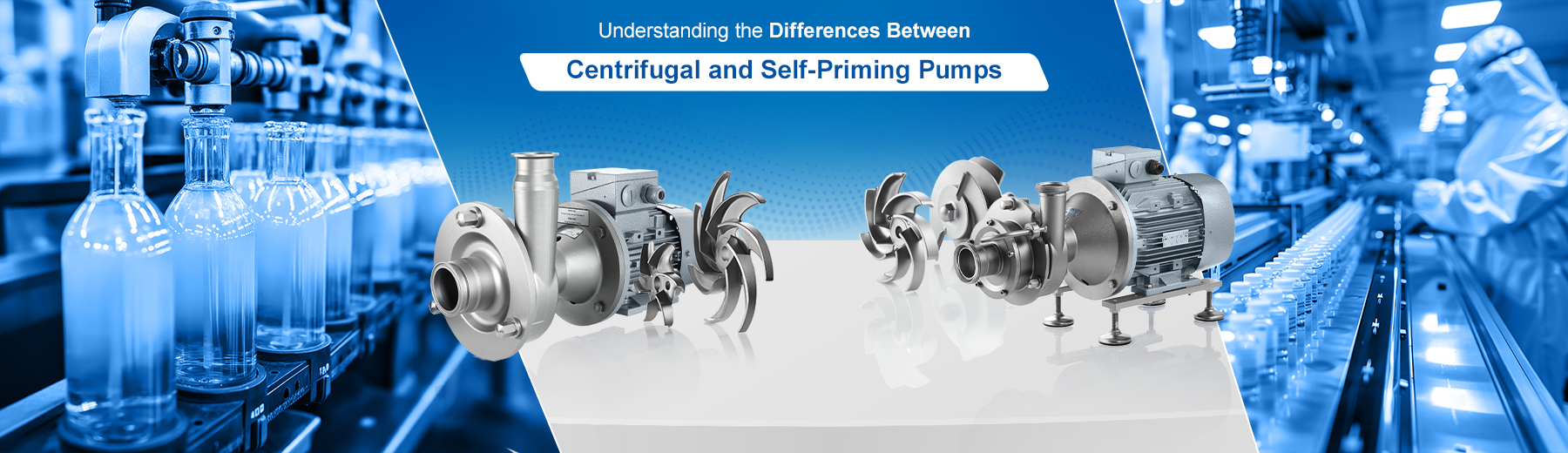
When a production line slows because a pump can’t pull liquid fast enough, the entire workflow feels the pressure. Many plant managers face this at some point and later discover that the pump type itself was the real issue. This is where knowing the difference between centrifugal and self-priming pumps becomes valuable. Both play important roles across industries, but each works in a very different way.
Fristam Pumps has developed advanced models in both categories. Understanding how they differ helps you choose the right one for your sanitation, process, or transfer needs with more confidence and fewer surprises.
Centrifugal Pumps: The Workhorses of Steady Flow
Centrifugal pumps are trusted in sanitary environments for one main reason. They deliver consistent and uninterrupted liquid movement. Their operation stays simple yet powerful. They work best when the suction line is already filled and the flow needs to stay smooth during the process.
Why Centrifugal Pumps Continue to Lead
Centrifugal pumps use rotating impellers to create velocity and convert it into pressure, moving liquid efficiently through the casing. This streamlined flow path supports excellent performance in high-volume systems.
Fristam Pumps offers strong centrifugal options like FP, FPV, FPH, and FM. These models handle high pressures, changing viscosities, and strict hygiene demands with steady reliability.
Common advantages include:
- Smooth, continuous flow without pulsation
High efficiency in transfer applications
Reliable handling of low‑viscosity liquids
- Low maintenance due to simple internal design
These centrifugal pump types are widely used in dairy plants, beverage processing lines, chemical mixing systems, and multi‑stage high‑pressure operations.
Self‑Priming Pumps: Built for Air‑Liquid Challenges
Centrifugal pumps excel with clean and steady flow, but many real applications involve air pockets or partially filled suction lines. In these cases, a self-priming centrifugal pump solves the problem with a more reliable startup.
What Makes Self‑Priming Pumps Stand Out
Self‑priming pumps are designed to automatically evacuate air from the suction line and create the vacuum needed to draw product into the casing. This ability allows them to start even when the suction line isn’t completely flooded.
Fristam’s FPC and FZ models are strong examples of this capability. Their self-priming pump design uses precise internal chambers, strong impeller geometry, and liquid reservoirs that help push out air during startup.
They are ideal for:
- CIP return lines
- Tank emptying operations
- Aerated or foamy liquids
- Bio‑pharmaceutical environments require clean and consistent evacuation cycles
Their versatility and reliability make them some of the most valuable pumps used in industries that face fluctuating flow conditions.
How These Pumps Move Liquid
Both pump categories rely on impellers, but their operating behaviour couldn’t be more different. Understanding these basics makes it easier to choose the right pump.
Centrifugal Pump Operation
Centrifugal pumps need a pre-filled casing before they start. Once liquid is inside, the impeller spins rapidly and creates velocity. The fluid moves outward into the discharge smoothly. This design delivers a stable and predictable flow as long as no air enters the system during operation.
Self‑Priming Pump Operation
Self-priming pumps keep a small reservoir of liquid inside the casing. During startup, they mix this liquid with incoming air, push the air out, and slowly build suction. Once primed, they run much like a standard centrifugal pump. Their ability to reprime after air ingestion makes them useful in dynamic processing environments.
Key Differences Between Centrifugal and Self‑Priming Pumps
Below is a simple table that breaks down the difference between self-priming and centrifugal pumps in an easy format.
Feature | Centrifugal Pump | Self‑Priming Pump |
Priming Need | Requires pre‑filled casing | Automatically primes by expelling air |
Air Handling | Low capability | High capability |
Startup Behavior | Needs flooded suction | Can start dry for short periods |
Best Use Case | Steady, clean liquid transfer | Applications with an air‑liquid mix |
Common Industries | Dairy, beverages, chemicals | CIP return, tank emptying, pharma |
Where Centrifugal Pumps Excel in Modern Industries
Centrifugal pump applications cover a wide range of hygienic and high‑flow needs. Their design supports stable liquid movement, energy efficiency, and minimal product damage. Fristam Pumps offers robust options like FP, FPV, FPH, and FM, each tailored to specific pressure, temperature, and viscosity demands.
A few places where these pumps shine include:
- Dairy and beverage processing lines
- Chemical mixing and transfer operations
- Bio‑pharmaceutical production with tight hygiene needs
- Multistage pressure boosting systems
These pumps, used in industries that rely on consistent flow, often deliver optimal results because of their smooth hydraulic handling.
The Strength of Self‑Priming Pumps
While centrifugal models dominate continuous processes, self‑priming designs take the lead wherever air entrainment is common. Their construction allows them to clear out air pockets and keep products moving without manual intervention.
Fristam’s FPC and FZ ranges bring impressive performance, working well in CIP return lines, tank evacuation, and handling liquids carrying a high gas load. Their self-priming pump design includes strong casing tolerances, durable impellers, and mechanisms that help maintain stability even when the product flow changes unexpectedly.
How They Work: A Technical View
Understanding pump working principles helps engineers make confident decisions. Even though both pumps use impellers, the way they sustain operation differs.
Centrifugal Pump Mechanism
Once primed, centrifugal models rely purely on rotational energy. Their flow path is smooth, and internal gaps are optimised for high efficiency. Because of this, performance remains reliable as long as the casing stays filled with liquid.
Self‑Priming Pump Mechanism
Self‑priming systems rely on an internal reservoir of liquid. During startup, the impeller mixes air and liquid, expelling air until a vacuum forms. This allows the pump to re‑establish prime after occasional air ingestion.
Choosing the Right Pump for Your Plant
Every production floor is unique, so selecting the right option depends on your system layout, suction conditions, flow requirements, and sanitary standards.
When a Centrifugal Pump is the Right Choice
Before moving to product selection, here’s a short guide:
- Your suction line remains flooded
- You need high flow at moderate pressure
- Product changeovers require gentle handling
- Your process uses clean liquids without trapped air
Fristam Pumps excels in this category with options featuring open impellers, corrosion‑resistant stainless steel, and finely machined tolerances.
When a Self‑Priming Pump Fits Better
Consider this choice if:
- Your process involves aerated liquids
- You handle tank emptying or CIP return lines
- Flow may stop and restart
- Your suction height isn’t always favourable
This flexibility makes them valuable in pharma, biotech, food processing, and chemical environments.
A Look at Real‑World Use Cases
To make the differences clearer, here are snapshots of where each pump shines.
Situations Perfect for Centrifugal Pumps
- High‑volume beverage transfer
- Milk processing lines
- Solvent transport in chemical plants
- Multistage high‑pressure feed systems
Situations Perfect for Self‑Priming Pumps
- Emptying storage tanks during shift change
- Returning cleaning solutions in CIP loops
- Managing foamy or gas‑laden liquids
- Sampling and intermittent batch processes
Why Fristam Pumps Remain an Industry Standard
Across every product page in the reference material, one message stands out: precision and dependability. Whether choosing a centrifugal or self‑priming model, Fristam Pumps provides stainless steel construction, hygiene‑ready surfaces, and engineering that reduces downtime.
You’ll find Fristam Pumps used in industries that demand accuracy, long equipment life, and minimum maintenance interruptions.
Conclusion
Whether you run a dairy plant, a beverage facility, a biotech lab, or a chemical unit, both pump types bring value to different stages of production. The choice depends on suction conditions, the amount of air in the product flow, and the level of reliability you expect from your equipment. Centrifugal pumps work best with clean and steady suction lines. Self-priming pumps support lines with air pockets or frequent start-stop cycles.
With advanced engineering and strong sanitation standards, Fristam Pumps supports these needs with powerful centrifugal models and reliable self-priming solutions. Choosing the right pump ensures smoother operations, lower downtime, and long-term performance for your facility.