
Best Practices for Maintaining and Preserving Fristam Twin Screw Pumps
September 20, 2025
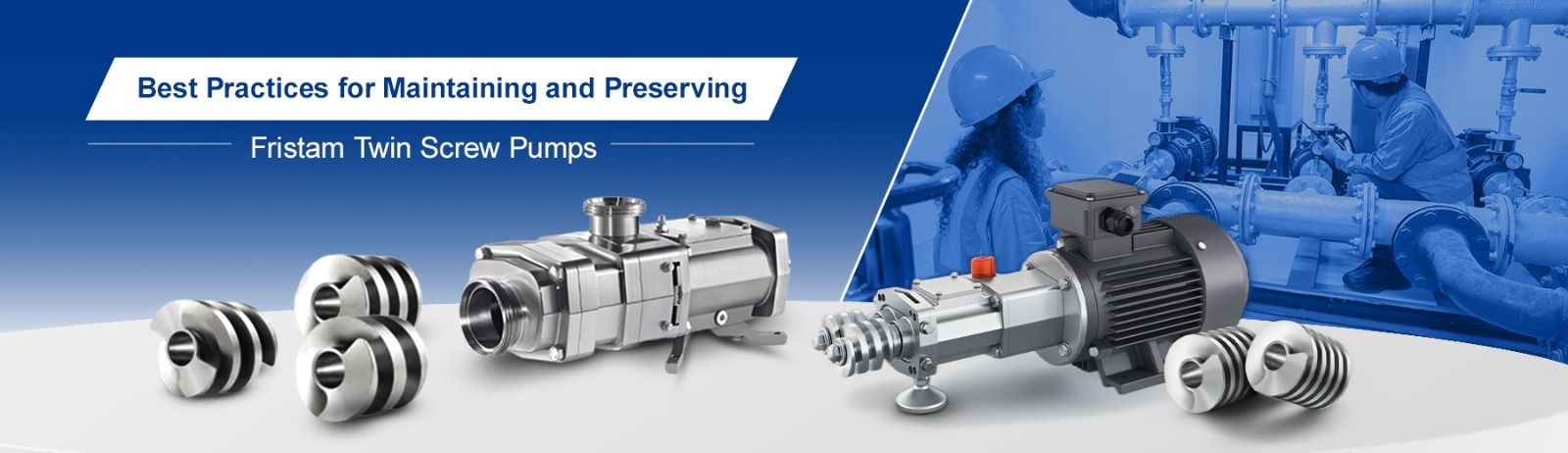
In today's super-competitive processing industries like food & beverage, pharmaceuticals, and biotechnology, equipment reliability and cleanliness are not optional. One of the most vital assets in these processes are twin screw pumps, which are prized for their precision handling of viscous, sensitive, and even gas-charged liquids.
Fristam's FDS Nano Twin Screw Pump and the heavy-duty FDS - Double Screw Pump are industry-renowned products, recognized by their remarkable performance, sanitary design, and minimal maintenance requirements. But even the most expertly designed pump needs to be well-maintained in order to ensure its performance and prolong its lifespan.
In this blog, we outline our best practices in the maintenance and preservation of Fristam’s Twin Screw Pumps to ensure that you get the most from your investment and keep your operations up and running.
Why Regular Maintenance Is Important
Regular twin screw pump maintenance is crucial to consistent performance, product quality, and preventing expensive downtime. Regular maintenance prevents premature wear, maintains hygiene, and defends your production schedule.
Taking care of your Firstam pump ensures that you can:
- Prolong equipment life and lower total cost of ownership.
- Ensure high centrifugal pump performance and flow stability.
- Prevent product contamination and maintain compliance with hygiene regulations.
- Minimise the likelihood of sudden breakage and losses in production.
Understand Key Screw Pump Components
In order to keep your pump in good condition, it's critical to familiarize yourself with the primary screw pump components, which are:
- Feed Screws: The precisely engineered screws that propel the product through the pump.
- Shaft Seals: Critical for preventing leaks and maintaining hygiene.
- Bearings: Enable smooth, stable rotation of the screws.
- Lubrication System: Keeps moving parts running without friction or overheating.
- Barrier and Quench Fluids (if equipped): Protect seals and improve hygiene.
Best Practices for Maintenance
1. Follow the Maintenance Schedule
- Follow the specified intervals for maintenance, oil change, and replacement of parts.
- Replace oil annually or after 4,000 hours of use (every 2,000 hours in extreme conditions).
- Inspect seals, bearings, and gap sizes at specified intervals.
- Inspect the barrier and quench fluids if your system includes them.
2. Ensure Safe Working Conditions
Before performing any maintenance:
- Turn off and lock the motor.
- Use proper personal protective equipment.
- Shut off all valves and drain the pump fully to avoid spills and contamination.
3. Use Genuine Fristam Spare Parts
Fristam pumps are produced with specific tolerances. Installation of unapproved parts can cause damage, compromise hygiene, and invalidate warranties.
- Always order parts through Fristam or authorized partners.
- Reference your pump’s serial number to get the correct components.
4. Maintain Proper Lubrication
- Monitor oil levels regularly and refill as needed.
- Change oil at scheduled intervals and fill with the recommended grade.
- Dispose of used oil properly and prevent contamination.
5. Check Barrier and Quench Fluids
If your pump is fitted with these systems:
- Maintain barrier fluid pressure within the levels specified.
- Keep the fluid temperature under 70°C to ensure effectiveness.
- Change the fluid when it has become contaminated or has overheated.
6. Inspect and Replace Shaft Seals Early
Worn seals can lead to leaks, contamination, and reduced efficiency.
- Replace seals at the first instance of leakage or fluid mixing.
- Adhere to Fristam's installation practices for accurate alignment and fit.
7. Handle Feed Screws with Care
- Feed screws are assigned to individual shafts, so do not interchange them.
- Note and follow the markings for correct installation.
- Tighten screws to the recommended torque for proper alignment.
Common Problems to Monitor
Preventive monitoring identifies potential issues before they become major problems:
- Inconsistent or inadequate flow.
- High noise or vibration.
- Gearbox or bearing overheating.
- Product leakage from seals.
Resolve these problems early to avoid expensive repairs and downtime.
Why Choose Fristam Twin Screw Pumps?
Fristam provides a variety of twin screw pump types for industrial application, with hygiene, durability, and efficiency.
The FDS Nano Twin Screw Pump is a small, quiet, accurate solution for low-flow, high-accuracy use, suitable for applications where gentle handling and hygienic conditions are demanded by industries.
The FDS - Double Screw Pump is designed for heavy-volume, demanding applications. It smoothly handles viscous products, gas-charged liquids, and clean-in-place (CIP) and sterilise-in-place (SIP) operations.
Both pumps are made of top-quality stainless steel, which satisfies the stringent needs of the food, beverage, pharmaceutical, and biotech industries. They provide a stable performance, are easy to maintain, and are in accordance with the standards of global hygiene.
Conclusion
Maintaining your Fristam Twin Screw Pump is not just about keeping it running- it’s about protecting your investment, safeguarding product quality, and ensuring uninterrupted operations.
By monitoring these best practices like sticking to maintenance schedules, employing authorised parts, and keeping the parts clean and well lubricated, you can optimise your pump's performance and prolong its life.
Fristam's FDS Nano Twin Screw Pump and FDS - Double Screw Pump are engineered to make maintenance easy with superior outcomes. Their durable construction, hygienic design, and reliability ensure that they are an essential component of your processing processes.
For more information about our range of twin screw pumps, or to discuss the best solution for your application, contact the Fristam team today.
FAQs
1. What maintenance task should be carried on pumps?
Regular tasks include checking oil levels, replacing worn seals, inspecting bearings, cleaning internal parts, and ensuring proper lubrication to maintain performance and prevent breakdowns.
2. What is the maintenance of screw pumps?
Screw pump maintenance involves regular oil changes, monitoring barrier fluids, checking and replacing seals, inspecting feed screws for wear, and ensuring correct alignment and lubrication of all moving parts.