
Increasing Energy-Efficient Pumping Systems to Reduce Operating Costs
November 14, 2025
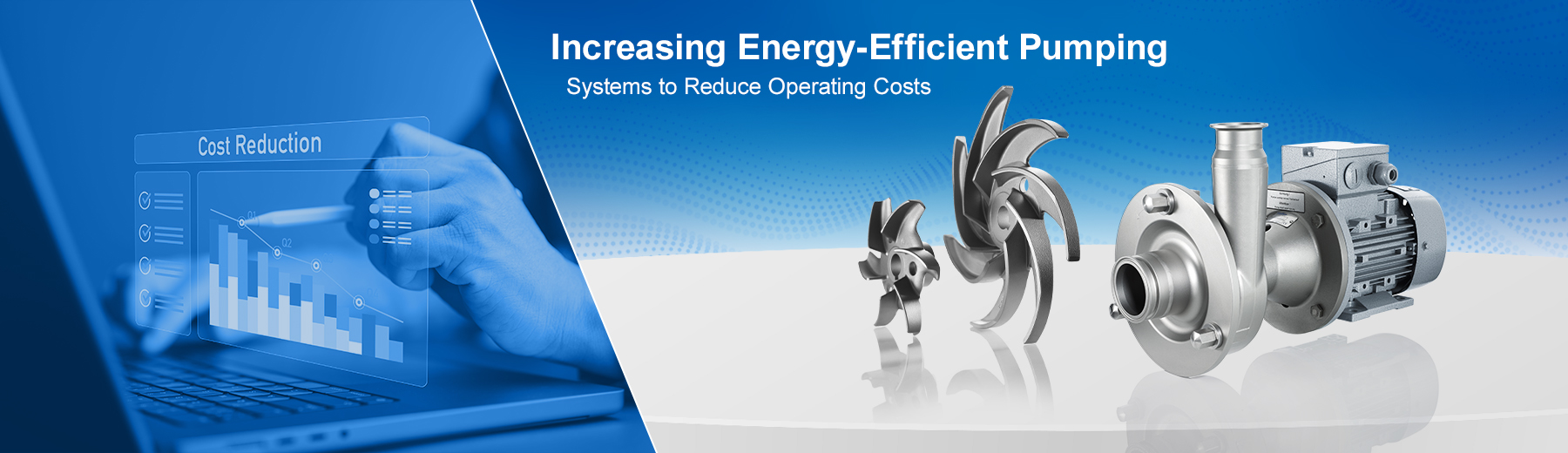
One of the largest problems for industries nowadays is energy costs. Food, beverage, dairy, pharmaceuticals, all manufacturing processes, require pumping systems. The pumps transport liquids, ingredients and chemicals throughout the plant, and although they are quite effective in doing this, they also use a lot of energy.
In fact, pumping systems can account for up to half of a plant’s total energy use. Therefore, the better the pump performance, the more beneficial this is to the environment and the cost of operation is also decreased directly. As energy costs increase and the sustainability objectives continue to rise, organisations are discovering that efficient pumping systems can produce significant changes to their bottom line.
Pumping energy efficiency is not a technical issue anymore, but rather a shrewd business choice. We are going to discuss its operation, the challenges industries may meet, and how it has become possible through modern solutions to save energy.
Understanding Energy Efficiency in Pumping Systems
In simple terms, an energy-efficient pump does more work with less energy. The idea is to make sure the pump converts as much input power as possible into moving the fluid, without unnecessary losses.
Several factors influence this efficiency, such as flow rate, pressure, liquid viscosity, and motor design. Even small mismatches between pump type and application can cause major energy waste over time. For example, a pump that's too big for the job will use more power than needed. On the other hand, a small pump might strain the motor, leading to breakdowns and high repair costs.
Traditional pumps often lose efficiency due to friction, poor design, or wear and tear. Over time, this leads to higher power consumption and maintenance. That's why industries are now investing in modern, energy-optimised pumps, designed to deliver the same performance while using less energy.
Challenges with Conventional Pumping Systems
Older or conventional pumps are often not built with energy efficiency in mind. They are designed to move fluids but may not consider long-term energy costs.
Here are some of the most common issues:
Friction and leakage: Old seals, rough pipe surfaces, and worn impellers make pumps work harder.
Cavitation: When air or vapour bubbles form inside the pump, it causes vibration, damage, and poor performance.
Oversized pumps: Many plants use pumps larger than required, wasting energy and money every hour.
Irregular maintenance: Dirt buildup, unbalanced parts, or damaged seals reduce efficiency and shorten lifespan.
These small inefficiencies add up quickly. Over time, they raise electricity bills, reduce output, and lead to more downtime. Clearly, sticking to outdated systems can become a costly mistake.
Strategies to Improve Pumping Efficiency
Improving energy efficiency in pumps doesn't always mean replacing everything. Sometimes, small changes can have big results. Here are some practical steps industries can take:
- Use Variable Frequency Drives (VFDs): A VFD controls the motor's speed based on demand, preventing it from running at full power all the time.
- Perform regular maintenance: Cleaning filters, replacing seals, and checking alignment can prevent unnecessary energy loss.
- Choose the right pump size: A pump that's properly matched to the flow and pressure requirements runs more efficiently.
- Use automation and monitoring: Smart monitoring tools can detect inefficiencies and alert operators before breakdowns happen.
These steps help pumps operate at their best efficiency point (BEP), reducing power consumption and improving reliability.
The Role of Advanced Pump Design and Material
Pump design and material selection play a huge role in improving efficiency. Modern hygienic stainless-steel pumps are smoother, corrosion-resistant, and easier to clean. This not only improves performance but also ensures compliance with hygiene standards in industries like food, beverage, and pharmaceuticals.
Materials like 316L stainless steel are commonly used because they are strong, easy to clean, and resistant to chemical damage. They also last longer, which reduces downtime and replacement costs.
Fristam Pumps has spent decades perfecting the design of its hygienic and energy-efficient pumps. Every component is made to minimise friction, prevent product damage, and deliver long-term reliability, all while saving energy.
Fristam's Examples of Energy-Efficient Pump Solutions
A great example of energy efficiency in practice comes from one of Fristam's clients in the biopharmaceutical industry. The company was using an old, belt-driven pump system to transfer plant extract liquids through filter press sheets. The system consumed too much power, required constant maintenance, and was difficult to clean.
After a detailed site study, Fristam replaced the old setup with the FP Centrifugal Pump, a modern, energy-efficient solution. The difference was immediate:
- Power savings: The old 37 kW motor was replaced with an 18.5 kW one, cutting power use by 50%.
- Higher output: Production yield improved by 35% due to consistent flow and pressure.
- Better hygiene: The FP pump was fully CIP-compatible, meaning no manual cleaning was required.
- Less maintenance: The pump eliminated seal failures and leakages, saving thousands in monthly repairs.
- Compact design: The new system took 65% less floor space than before.
Overall, the client achieved 60% energy savings, better hygiene, and zero unplanned downtime. The success was so strong that they decided to replace all four of their existing pumps with Fristam FP pumps. This case clearly shows how upgrading to modern, energy-efficient pumps can quickly pay for itself, not just in energy savings but in improved reliability and production quality.
Making the Switch to Energy-Efficient Pumps
Switching to energy-efficient pumping doesn't have to be complicated. It's all about understanding your process and choosing the right partner.
Start with an energy audit to identify problem areas. Then, select a pump that's properly sized and designed for your specific application. Work with an experienced pump manufacturer like Fristam, who can guide you with the right solution, system design, and after-sales support.
The return on investment (ROI) for energy-efficient systems is often fast, not only through lower electricity bills but also through reduced maintenance and increased productivity.
Final Thoughts
In industries where every minute and every watt matters, energy-efficient pumping is no longer optional; it's essential. Smarter designs, modern materials, and optimised control systems are helping industries save power, reduce costs, and operate more sustainably.
Fristam Pumps continues to lead this change with its range of high-performance, hygienic, and energy-efficient centrifugal pumps. With over a century of engineering expertise, Fristam helps businesses upgrade their systems for the future, achieving both operational excellence and cost efficiency.
Looking to reduce your energy bills and improve your pumping system's performance? Explore Fristam's FP series and other energy-efficient solutions today.